
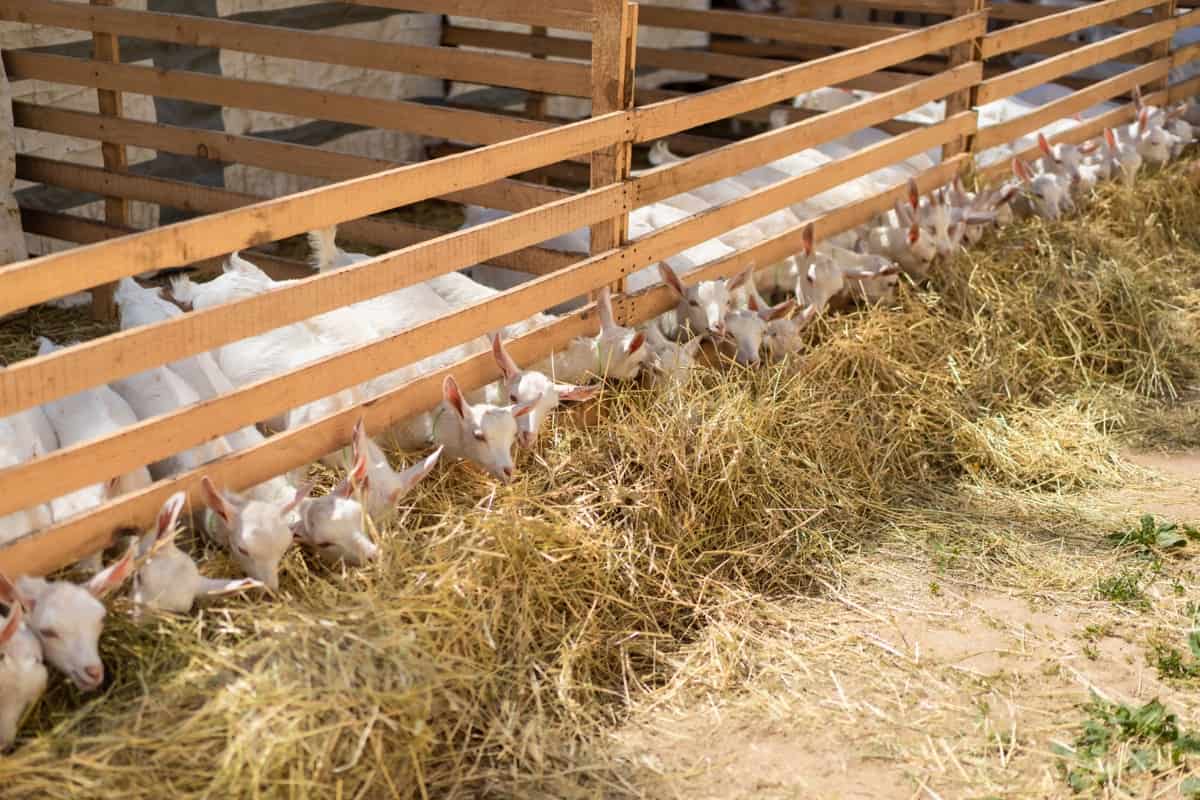
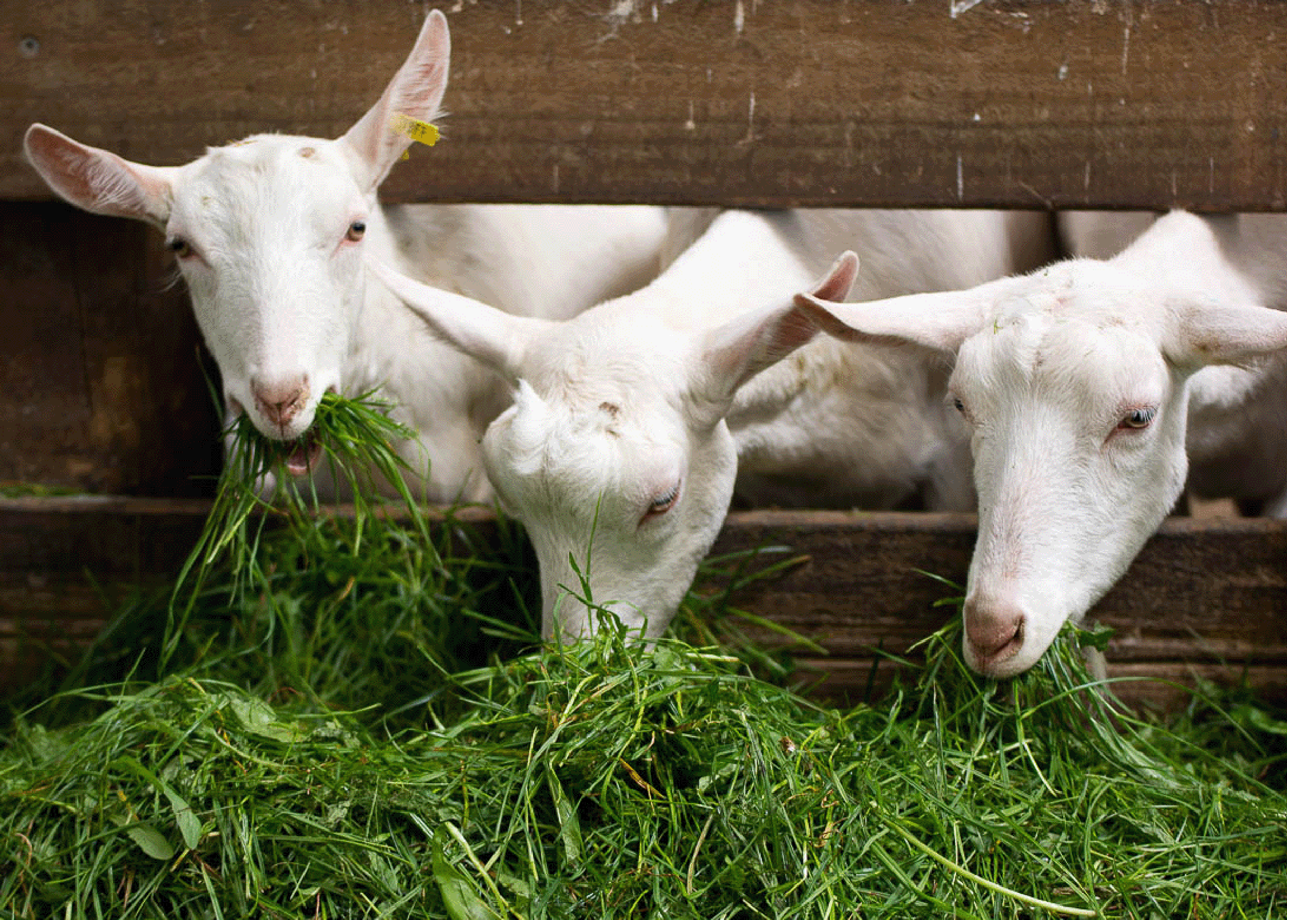
Goat fodder, also known as goat feed or goat forage, plays a vital role in goats overall health and well-being. Fodder production ensures healthy growth and optimal productivity for your goats.
Deciding on the right type of goat fodder depends on various factors, including availability, cost-effectiveness, nutritional value, climate conditions, and individual goat preferences. Experimenting with different types of fodders is important to find what works best for your herd.
Goat fodder refers to the food and plants given to goats as their primary source of nutrition. It is a vital component in their diet, providing them with essential nutrients, vitamins, and minerals for growth and overall health. Remember that proper feeding practices should always be followed when offering goat fodder. Ensure fresh water supply and monitor feed intake based on body weight guidelines provided by experts or veterinarians.
Choosing the right fodder for your goats is essential to their health and well-being. Goats enjoy common green forages such as Lucerne, Berseem, Napier Grass, and Cowpea among others. These options provide a good source of nutrition and can be incorporated into a diet.
Another tip is to ensure your fodder is fresh and free from mold or contamination. Goats can be picky eaters and may refuse food that doesnt meet their standards. Its also crucial to monitor how much fodder you feed your goats. In addition to quantity, timing is key when feeding goats fodder. Always provide access to clean water for your goats alongside their mealtime snacks. Hydration plays a vital role in digestion and overall health.
How Much Green Fodder for Goat Per Day?
Goats are voracious eaters and have specific dietary needs to stay healthy. Fodder is an important aspect of their diet, which provides essential nutrition for their overall well-being.
The daily feed intake of goats typically ranges from 3-4% of their body weight in kgs, expressed as dry matter per head per day.
Its important to note that this percentage can change depending on factors such as the type of fodder being fed and the age and activity level of the goat. For example, lactating or pregnant goats may require additional feed to meet their nutritional demands.
To determine the amount of green fodder your goats need, consult an experienced veterinarian or livestock nutritionist who can assess your specific herds needs based on age, size, and activity level.
Understanding Hydroponic Fodder for Goats
Hydroponic fodder for goats provides a sustainable and efficient way to provide nutrient-rich feed. Learn about the benefits, components, and setup of a hydroponic fodder system to maximize your goat’s nutrition.
Role and benefits
We grow plants for our sheep and goat feed without using soil. Our hydroponic green fodder system turns seeds into nutritious sprouts in days. This method gives our livestock high-quality food that’s packed with essential nutrients, helping them stay healthy and grow strong.
By supplementing traditional soil farming, we save water and space, making our farm more sustainable.